Basic Insights27.08.2025
Real World Examples: What Counts as a Verifiable Defensive Publication?
Updated on 27.08.2025
5 min read

Updated on 27.08.2025
When inventors or companies hear the term defensive publication for the first time, the concept can seem abstract. Yet the basic idea is simple: a defensive publication is a public disclosure aimed at making an invention part of the state of the art, which can help prevent others from later patenting the same idea. The challenge lies not in the principle, but in the practical implementation. This raises the following question:
What do patent offices and courts specifically accept as effective disclosure as evidence, and what types of publications fail to meet the requirements?
For a defensive publication to meet formal requirements and have the potential to be recognized as evidence, at least the following key requirements must be fulfilled:
Consider the following real-world examples. A technical article printed in a recognized newspaper or journal and publicly accessible at the time of publication can qualify as a defensive publication, provided the medium is sufficiently recognized. Likewise, a technical brochure distributed at a public conference or provided on a website without password protection is generally accepted, provided the audience exceeds a certain threshold and the brochure bears a verifiable date and is demonstrably available. However, something as local as a notice on a bulletin board may not constitute effective prior art, even though the material is freely accessible and dated.
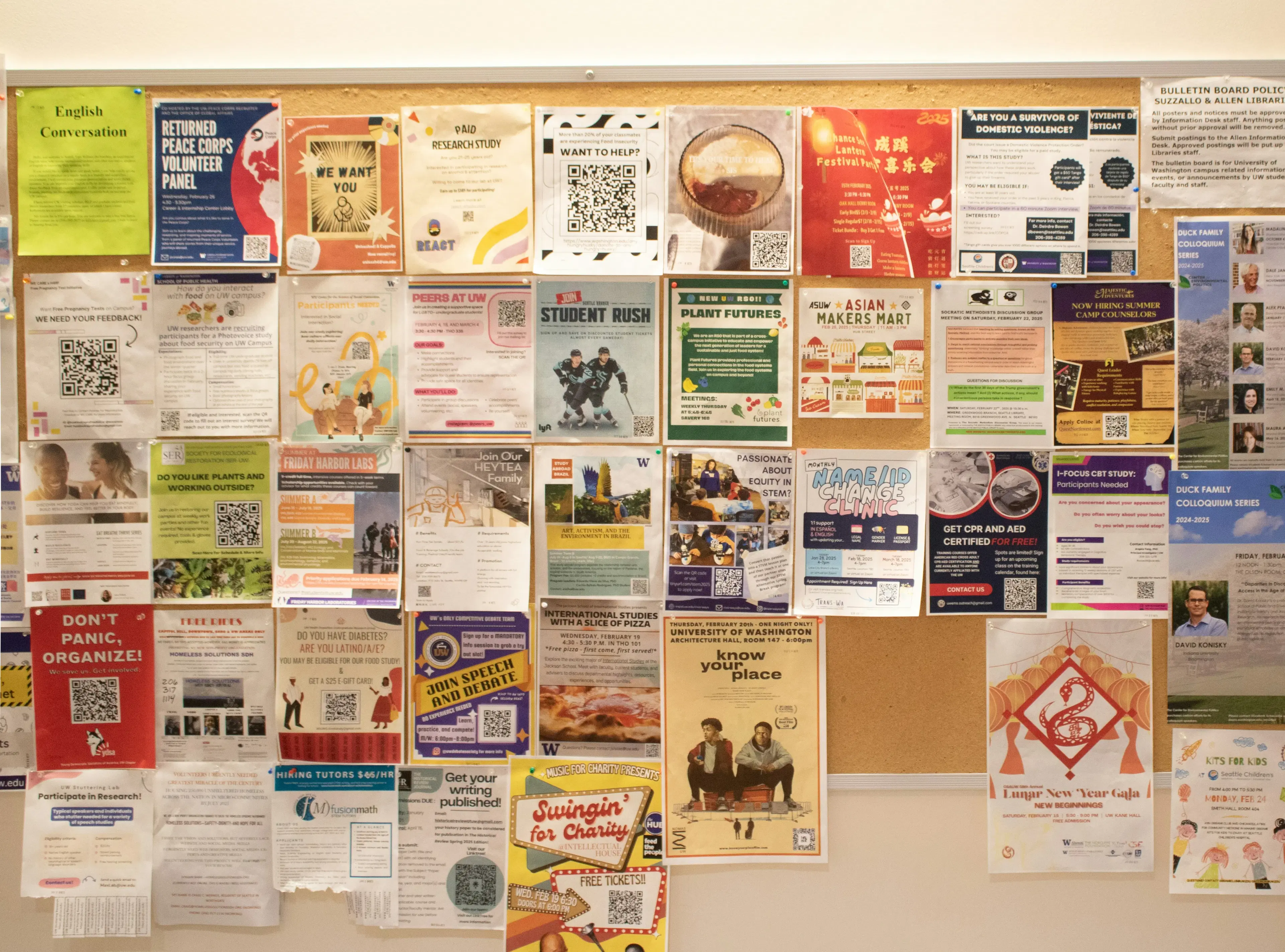
Moreover, not every form of "publication" carries the necessary evidentiary weight. An internal company memo, even if widely shared within the organization, does not meet the above-mentioned requirements. A private research report, sent only to a closed group under confidentiality obligations, does not count. Nor do drafts uploaded to private servers or intranets. Even a press release or article can be ineffective if the above-mentioned criteria for a sufficient defensive publication are not met.
This is precisely why defensive publication services such as Proofbox exist: they ensure that a disclosure is timestamped, publicly indexed, permanently archived, and logged in a way that allows it to be presented as evidence across jurisdictions. The goal is not merely to make something "public," but to ensure that the disclosure will be recognized as evidence years later.
For inventors and companies, the facts must be clear. Defensive publication is not about visibility or marketing — it is about the documentation of state of the art. A social media post might reach thousands, but if it is not reliably archived and/or cannot be proven to have existed on a specific date, its value as prior art is doubtful and may not be recognized as evidence. By contrast, a properly timestamped, openly accessible publication in a recognized archive is considered robust evidence.
In short: a process-compliant defensive publication combines openness with verifiable permanence. Refer to the above-mentioned criteria.
At Proofbox, we help inventors, startups, and corporations navigate this fine line by providing a compliant way to publish technical disclosures that support your freedom to operate. By ensuring that your innovation is both public and technically reliably documented, you can focus on development and commercialization, minimizing the risk of being excluded from your own field of technology.
The information provided in this blog and on this page is for general informational purposes only and does not constitute legal advice. Proofbox or Proofbox GmbH is not a law firm and is not authorized to provide legal counsel or act as a legal representative in any jurisdiction. The content herein is not intended to replace professional legal consultation, and users are strongly advised to seek independent legal advice from a qualified attorney before making any decisions related to intellectual property, defensive disclosures, or publication strategies. While we aim to keep the information up to date and accurate, no guarantee is given as to the completeness, accuracy, or currentness of the content provided. Proofbox expressly disclaims any liability for errors, omissions, or outdated references and assumes no responsibility for any actions taken or not taken based on the information on this page and any pages of our Website and Blog. Using this site does not create any form of attorney-client relationship, and Proofbox assumes no legal liability for reliance on the materials presented. Please also refer to our Terms and Conditions and Privacy Policy, which govern the use of this website and our services.